Early Warning Treadmill Maintenance Checklist: Prevent Costly Repairs
Identify treadmill issues early to avoid costly repairs and downtime. This guide offers a practical maintenance checklist tailored for home gyms and small studios.
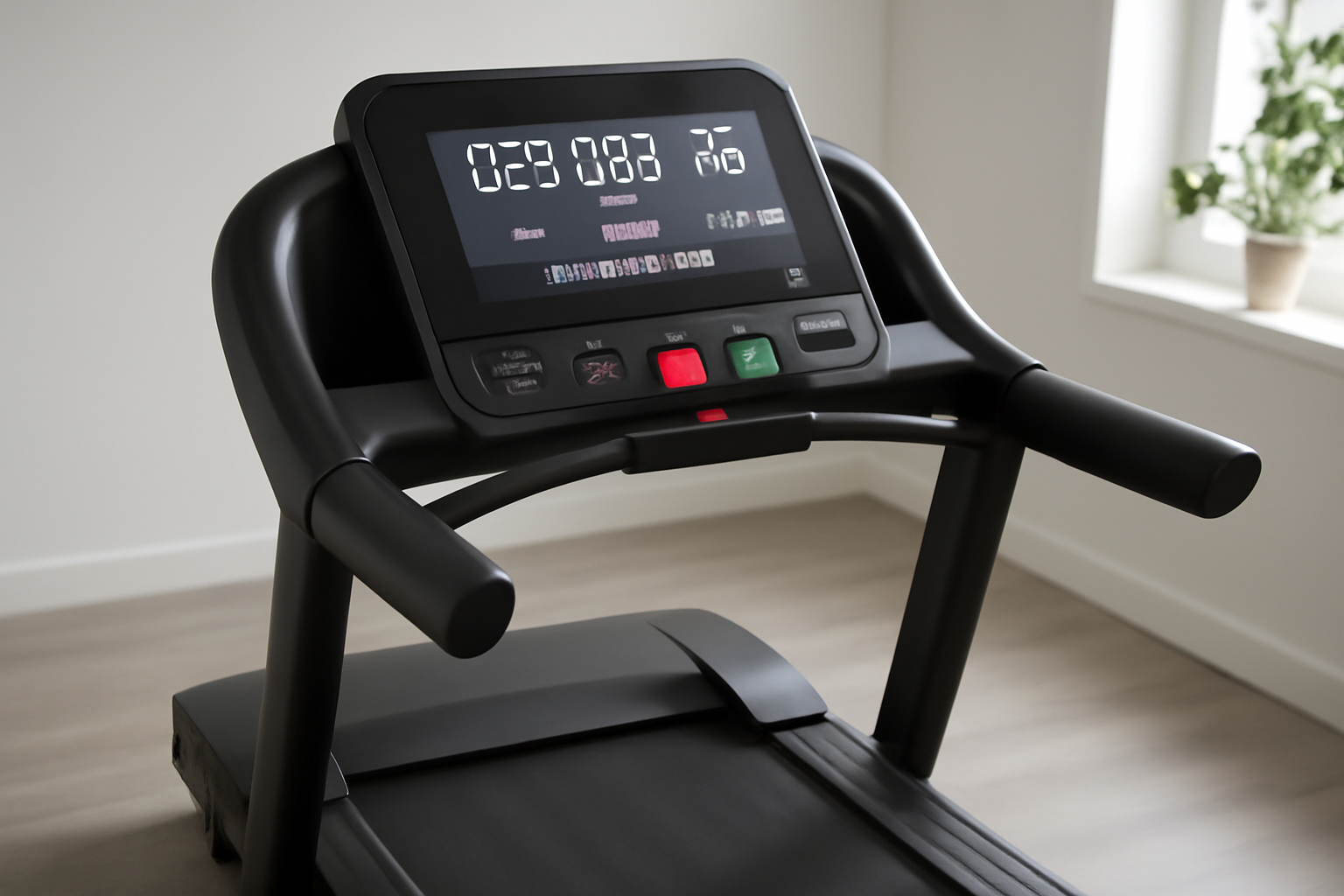
Owning a treadmill for your home gym or small fitness studio is a great investment, but like any mechanical equipment, regular maintenance is key to preserving its performance and longevity. Early detection of minor issues can prevent expensive breakdowns and keep your workouts uninterrupted.
Why Early Warning Maintenance Matters
Treadmills undergo constant wear, especially on the walking belt and motor components. Problems that start as minor annoyances such as unusual noises or uneven belt movement can quickly lead to major failures if ignored. Staying proactive with your maintenance schedule reduces downtime and repair costs.
Early Warning Signs: What to Watch For
- Unusual Noises: Squeaking, grinding, or rattling noises often signal friction or misalignment.
- Irregular Belt Movement: A belt that slips, drifts to one side, or wrinkles needs adjustment.
- Excessive Heat: Overheating under the motor or deck area can indicate lubrication issues or worn parts.
- Response Delays: Controls that respond sluggishly may hint at electrical or sensor problems.
- Visible Dirt Accumulation: Dust and debris under the belt increase wear and cause belt slippage.
Practical Early Maintenance Checklist
Use this checklist monthly or after approximately every 30 hours of treadmill use to catch early signs of trouble:
- Visual Inspection: Lift the treadmill belt and check for dirt or debris. Clean as needed using a dry cloth or vacuum.
- Belt Alignment: Ensure the belt runs centrally without lateral drift. Adjust tension screws following your manufacturer’s instructions.
- Lubrication: If your treadmill deck requires it, apply TechMotion’s 100% silicone lubricant such as Sole Treadmill Lubricant or convenient pack options. Avoid lubricant on walking surfaces and belts; only apply under the deck as directed.
- Noise Check: Run the treadmill at low speeds and listen carefully for abnormal sounds. Squeaks may indicate lubrication is overdue.
- Electrical Inspection: Confirm all cables and plugs are secure and undamaged. Clean control panel surfaces with a dry cloth.
- Safety Features: Test emergency stop and incline controls to verify proper operation.
Choosing the Right Lubricant for Early Maintenance
Using the correct lubricant extends your treadmill’s life and keeps it running smoothly. TechMotion’s Sole Treadmill Lubricant is a trusted choice for many home gym owners. It’s a 100% silicone lubricant, which means it’s odorless and non-toxic. Use a small amount every 90 hours of operation or three months to reduce friction between the belt and deck.
Depending on your needs, you can select options from a single 450ml spray can perfect for home use, to bulk packages suitable for multiple treadmills or commercial environments. Browse all options in our TechMotion shop.
Practical Tips to Extend Treadmill Life
- Keep the treadmill area clean and dust-free to prevent debris from infiltrating sensitive parts.
- Follow the manufacturer’s guidance on lubrication frequency and exercise caution not to over-lubricate.
- Adjust belt tension carefully; too loose causes slipping, too tight accelerates wear.
- Schedule regular inspections to identify potential issues before they worsen.
When to Consult a Professional
If you detect persistent noises, motor overheating, or belt damage despite routine maintenance, it’s time to seek professional service. Avoid attempting complex repairs that could void your warranty or cause further harm.
Summary
Early warning maintenance using a straightforward checklist, proper lubrication, and keen observation can extend your treadmill’s service life significantly. Utilize TechMotion’s dedicated fitness maintenance products to keep your home or small studio gym equipment performing at its best with minimal downtime.