How to Reduce Treadmill Noise: The Complete Fix Guide
Squeaking, grinding, thumping — every treadmill noise has a specific cause and a specific fix. Here's how to diagnose and eliminate each one.
A noisy treadmill disrupts your workout, annoys your family, and signals that something needs attention. The good news: most treadmill noise problems are easy to diagnose and fix at home. Here's your complete guide to a quiet treadmill.
Noise Type 1: Squeaking
Cause
Treadmill squeaking is almost always caused by dry friction between the belt and deck. When silicone lubricant wears thin, the belt literally squeals against the deck surface.
Fix
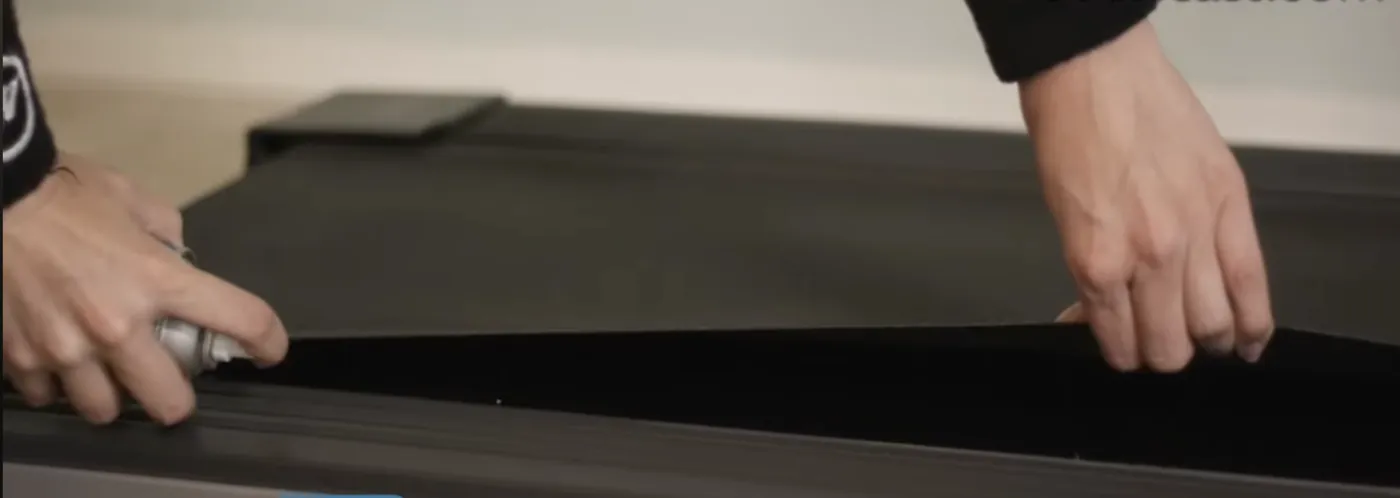
Apply TechMotion Silicone Spray or Sole Lubricant under both sides of the belt. Walk for 5 minutes at low speed to distribute. Squeaking should disappear within the first minute of walking.
Noise Type 2: Grinding or Scraping
Cause
Grinding noises typically come from worn roller bearings or debris caught between the belt and deck. A scraping sound may indicate the belt is contacting the motor cover or side rails.
Fix
- Unplug the treadmill and inspect under the belt for debris
- Check belt alignment — adjust if it's tracking to one side
- Lubricate the belt and deck thoroughly
- If grinding persists, the front or rear roller bearings may need replacement (professional service recommended)
Noise Type 3: Thumping or Knocking
Cause
A rhythmic thump usually means the belt has developed a flat spot from sitting idle in one position, or there's a join seam that's become raised. It may also indicate a warped roller.
Fix
Run the treadmill empty at moderate speed for 10-15 minutes — flat spots often work themselves out. If the belt seam is raised, it may need replacement. Lubricate to reduce the impact of any belt irregularity.
Noise Type 4: Whining or Humming
Cause
Electrical whining comes from the motor or motor controller working too hard. This is often caused by excessive friction from a dry belt forcing the motor to draw more power.
Fix
Lubricate the belt first — this resolves the majority of motor whining. If the noise persists, check the motor brushes (on brushed motors) or contact a service technician for motor controller diagnostics.
Noise Type 5: Vibration and Rattling
Cause
Vibration usually comes from an uneven floor surface, loose bolts, or a treadmill that's not properly leveled.
Fix
- Place the treadmill on a treadmill mat to absorb vibration
- Check and tighten all accessible bolts and screws
- Adjust the leveling feet until the machine is stable
- Ensure the floor surface is flat and solid (avoid thick carpet)
The Universal First Step
No matter what noise your treadmill makes, lubrication should always be your first troubleshooting step. Over 70% of treadmill noise complaints are resolved simply by applying silicone lubricant. It's cheap, it's fast, and it works.
TechMotion Silicone Spray — the fastest way to a quiet treadmill. Order now and enjoy your next workout in peace.
Not sure if your noise problem is related to belt condition? Check our belt replacement vs lubrication guide to determine if your belt needs replacing. Learn the 5 warning signs your treadmill needs lubrication before noise becomes a bigger problem. And if dirt is contributing to your noise issues, read our dirt prevention guide.
Frequently Asked Questions
Q: Why is my treadmill so loud all of a sudden?
Sudden treadmill noise is almost always caused by dry lubricant between the belt and deck. As silicone wears away, friction increases dramatically, producing squeaking, grinding, or whining sounds. Applying silicone lubricant resolves over 70% of sudden noise issues.
Q: Does lubricating a treadmill make it quieter?
Yes. Proper silicone lubrication eliminates belt-to-deck friction noise, reduces motor strain (quieting motor whine), and prevents the belt from sticking and jerking. It is the single most effective noise reduction step for any treadmill.
Q: How do I stop my treadmill from squeaking?
Apply 100% silicone lubricant under both sides of the belt, then walk at low speed for 3-5 minutes to distribute. Squeaking should disappear within the first minute. If it persists, check belt tension and alignment.
Q: Can a treadmill mat reduce noise?
Yes. A treadmill mat absorbs vibration and reduces the noise transmitted to the floor by 30-50%. Combined with proper lubrication, a mat can make even an older treadmill significantly quieter during operation.