Complete Guide to Garage Door Lubrication: What, Where, and How
A noisy garage door is more than annoying — it's a sign of wear that leads to expensive repairs. Here's exactly how to lubricate every part of your garage door system.
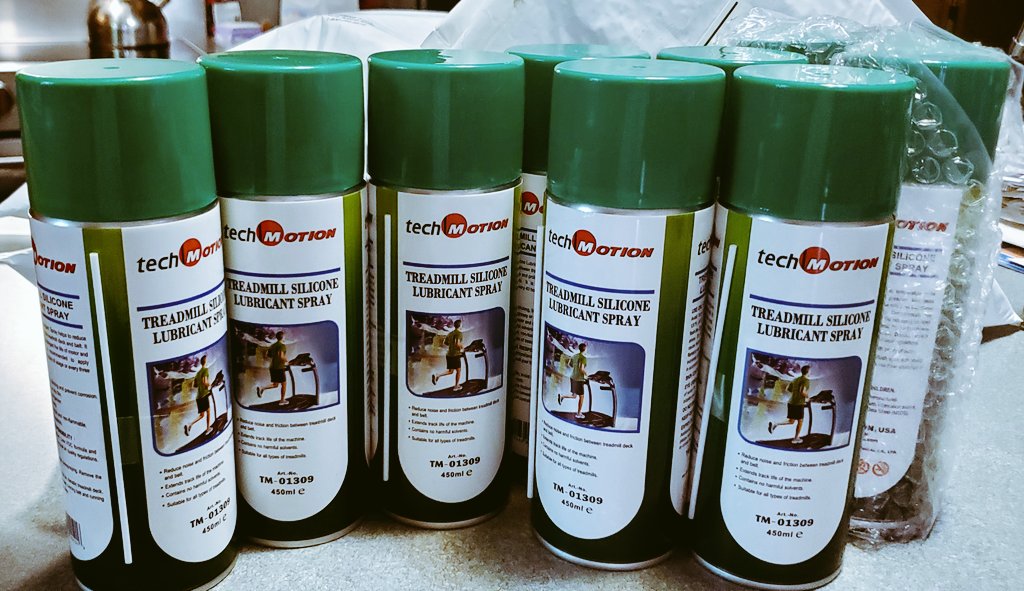
A squeaky, grinding garage door isn't just an annoyance — it's a warning sign. Without proper garage door lubrication, rollers wear out, springs snap, tracks bend, and openers burn out. The good news? A 10-minute lubrication session twice a year prevents all of this.
What to Lubricate on Your Garage Door
1. Rollers
Whether you have steel, nylon, or composite garage door rollers, they need lubrication. Spray TechMotion Silicone Spray directly onto each roller, including the bearing in the center. Spin each roller by hand to work the lubricant in.
2. Hinges
Every hinge point on your door sections creates friction. Apply silicone lubricant to each hinge pivot point. Focus on the pin that connects the sections — this is where most garage door squeaking originates.
3. Springs
Torsion springs (the large coiled springs above the door) and extension springs (on the sides) both benefit from lubrication. Coat them lightly with silicone spray to prevent rust, reduce noise, and extend spring life. Warning: Never touch garage door springs with your hands — they're under extreme tension.
4. Tracks (Top Section Only)
Lubricate only the curved portion of the tracks where the rollers travel through the bend. Do NOT lubricate the vertical tracks — this can cause the door to slide and create safety issues.
5. Lock Mechanism and Handle
A quick spray of silicone lubricant into the lock mechanism keeps it operating smoothly through temperature changes and prevents freezing in winter.
6. Opener Chain or Screw Drive
If your opener uses a chain drive, lubricate the chain with silicone. For screw-drive openers, apply lubricant along the entire length of the drive screw. Belt-drive openers don't need lubrication.
Why Silicone Spray Is Best for Garage Doors
Silicone spray lubricant is superior to alternatives because it:
- Won't attract dust, dirt, or debris (unlike WD-40 or grease)
- Works in extreme temperatures (-40°F to 400°F)
- Won't stain your garage floor or car
- Protects metal from corrosion and rust
- Is safe on rubber seals and weatherstripping
How Often to Lubricate Your Garage Door
For most homeowners, twice per year is sufficient — once in spring and once in fall. If your door gets heavy use (4+ cycles per day) or you live in a coastal or humid climate, increase to quarterly.
Professional Tip
Service professionals keep a 6-Pack of TechMotion Spray in their van — enough to service 8-12 garage doors per can. For homeowners, a single can provides years of maintenance for one garage door.
For more tips, read our dedicated garage door lubricant guide. And if you are also maintaining treadmills or gym equipment, our home gym maintenance checklist covers everything under one roof.
Wondering why silicone spray outperforms WD-40 and grease for garage doors? Read our silicone vs WD-40 comparison — the same chemistry that protects treadmill belts also protects garage door components.
Frequently Asked Questions
Q: How often should you lubricate a garage door?
Most homeowners should lubricate their garage door twice per year — once in spring and once in fall. High-use doors or those in coastal or humid climates benefit from quarterly lubrication.
Q: Can you use WD-40 on a garage door?
WD-40 is not recommended for garage doors. It is a degreaser, not a true lubricant, and it attracts dust and dirt that accelerate wear. Use 100% silicone spray for long-lasting, dust-free protection.
Q: Should you lubricate garage door tracks?
Only lubricate the curved section at the top of the tracks where rollers travel through the bend. Do not lubricate the vertical sections — this can cause the door to slide and create a safety hazard.
Q: Is it safe to lubricate garage door springs yourself?
You can safely spray silicone lubricant on garage door springs from a distance. Never touch the springs with your hands as they are under extreme tension. If springs need adjustment or replacement, hire a professional.