Silicone vs WD-40 for Treadmills: Why Silicone Always Wins
WD-40 is great for rusty hinges, but it can destroy your treadmill. Here's why 100% silicone lubricant is the only safe choice for your treadmill belt.
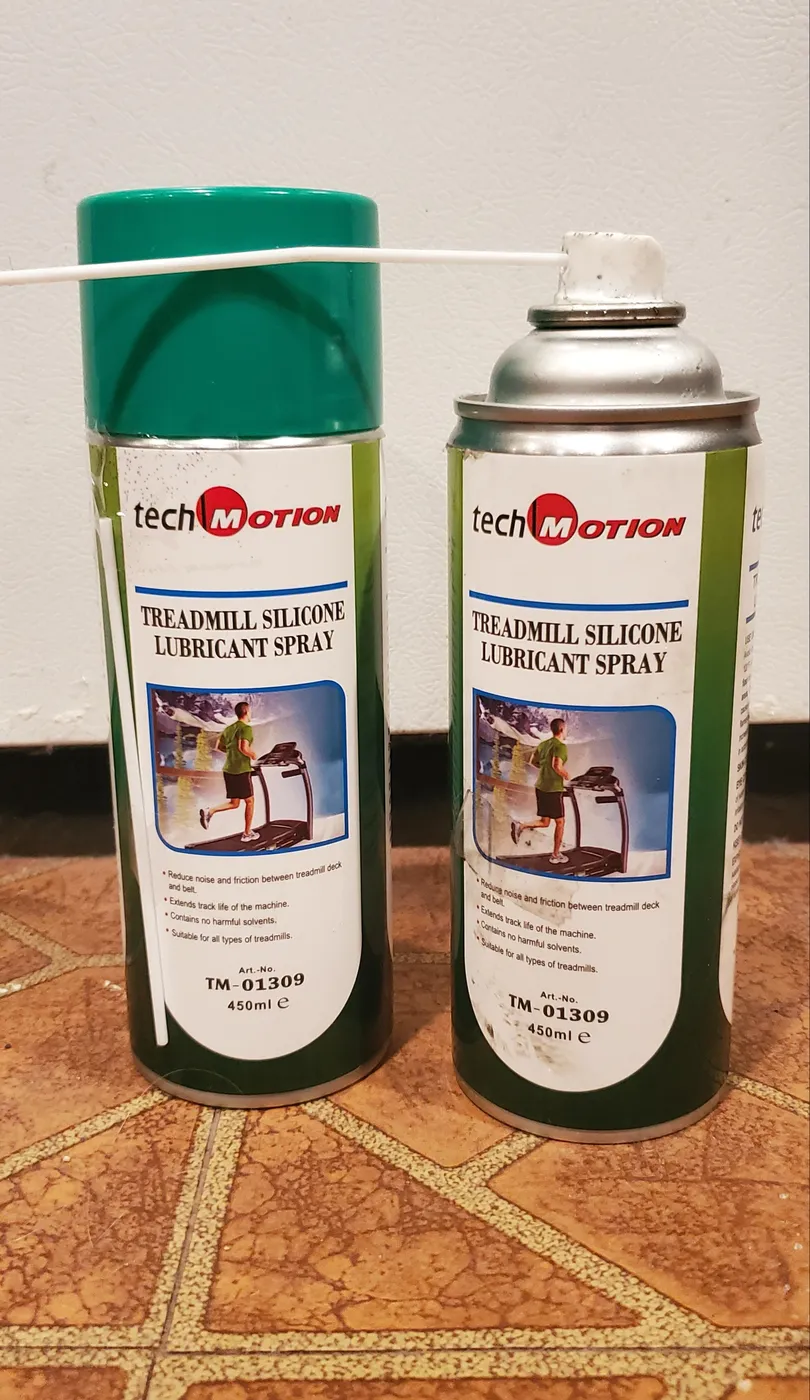
We see this question every week: "Can I use WD-40 on my treadmill?" The answer is a definitive no — and understanding why could save your treadmill from an expensive, preventable death.
Why WD-40 Will Destroy Your Treadmill
WD-40 is a water displacement formula, not a true lubricant. Here's what happens when you spray it on your treadmill belt:
- Belt degradation — WD-40 contains petroleum distillates that break down the rubber compounds in treadmill belts, causing cracking, swelling, and premature failure
- Deck damage — The solvents in WD-40 strip protective coatings from your treadmill deck, increasing friction instead of reducing it
- Residue buildup — WD-40 attracts dust and dirt, creating a gummy paste that accelerates wear on belts, rollers, and motors
- Warranty void — Every major treadmill manufacturer explicitly states that non-silicone lubricants void your warranty
- Short lifespan — WD-40 evaporates quickly, meaning you'd need to reapply constantly — each time doing more damage
Why 100% Silicone Lubricant Is the Gold Standard
Silicone lubricant is specifically engineered for the demands of treadmill maintenance:
- Belt-safe formula — Pure silicone won't degrade rubber, PVC, or other belt materials
- Long-lasting — A single application of TechMotion Silicone Spray lasts 30-90 days under normal use
- Dust-repellent — Silicone doesn't attract particles, keeping your deck and belt clean
- Non-toxic and odorless — Safe for indoor use around children and pets
- Heat resistant — Maintains viscosity even under the high temperatures generated by treadmill motors
- Warranty compliant — Recommended or approved by all major treadmill brands
Side-by-Side Comparison
| Feature | TechMotion Silicone | WD-40 |
|---|---|---|
| Belt safe | Yes | No — damages rubber |
| Lasts | 30-90 days | Hours |
| Attracts dust | No | Yes |
| Warranty safe | Yes | No — voids warranty |
| Non-toxic | Yes | No — contains solvents |
| Odorless | Yes | No — strong chemical smell |
Other Lubricants to Avoid
Besides WD-40, never use these on your treadmill:
- Cooking oils (olive oil, vegetable oil) — Go rancid, attract bacteria
- Motor oil — Too heavy, stains belts, petroleum-based
- Graphite lubricant — Leaves black residue, messy, not designed for high-speed applications
- 3-in-1 oil — Petroleum-based, attracts dust, degrades rubber
The Safe Choice
Protect your investment with a purpose-built lubricant. TechMotion 100% Silicone Lubricant Spray is colorless, non-toxic, nonflammable, and designed specifically for treadmills and fitness equipment. Available in singles, multi-packs, and bulk cases.
Already using the wrong lubricant? Clean your belt thoroughly with isopropyl alcohol, let it dry completely, then apply a proper silicone treadmill lubricant. For a deeper look at how silicone protects at the molecular level, read the science behind silicone lubricant.
Using the wrong product is one of the top treadmill maintenance mistakes that void your warranty. Make sure you also know how to choose the best treadmill lubricant before your next application.
Frequently Asked Questions
Q: What happens if you use WD-40 on a treadmill?
WD-40 degrades rubber belts, strips protective deck coatings, attracts dust and debris, and voids your manufacturer warranty. The damage is often irreversible and leads to premature belt and motor failure.
Q: Is 3-in-1 oil safe for treadmill belts?
No. 3-in-1 oil is petroleum-based and will damage your treadmill belt and deck the same way WD-40 does. Only use 100% silicone lubricant on treadmills.
Q: How do I remove WD-40 from my treadmill belt?
Wipe the deck and underside of the belt thoroughly with isopropyl alcohol on a clean cloth. Let everything dry completely for 10-15 minutes, then apply a proper 100% silicone lubricant.
Q: Why do treadmill manufacturers recommend silicone lubricant?
Silicone is chemically inert, meaning it will not react with or degrade rubber, PVC, or composite belt materials. It also resists heat, repels dust, and provides a long-lasting low-friction film.