The Science Behind Silicone Lubricant: How It Protects Your Equipment
What makes silicone lubricant so effective? The science behind polydimethylsiloxane explains why it's the perfect choice for fitness equipment and beyond.
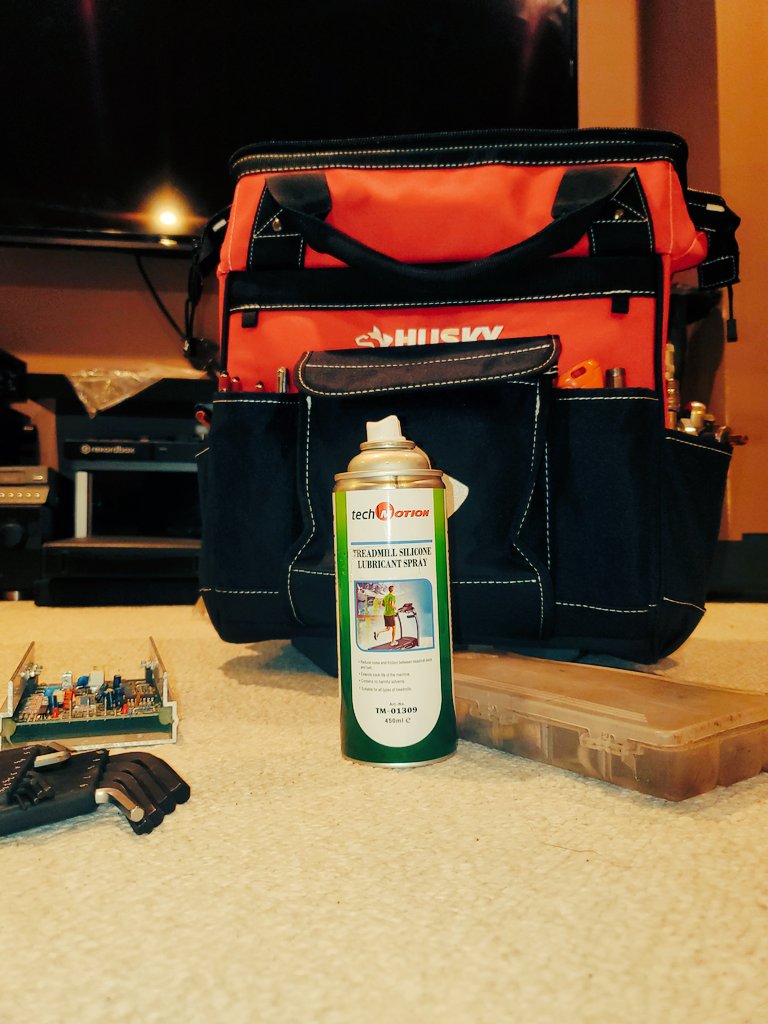
You know silicone lubricant works — but have you ever wondered why it works so well? Understanding the science behind silicone lubricant helps explain why it's the universal recommendation for treadmills, garage doors, and precision equipment.
The Molecule: Polydimethylsiloxane (PDMS)
The active ingredient in TechMotion Silicone Spray is polydimethylsiloxane (PDMS) — a silicone-based organic polymer. Unlike petroleum-based lubricants, PDMS has a unique molecular structure:
- Silicon-oxygen backbone — More flexible and stable than carbon chains
- Methyl side groups — Create an extremely low surface energy, making surfaces slippery
- High molecular weight — Stays in place longer than light oils
Why Silicone Outperforms Other Lubricants
Temperature Stability
PDMS maintains consistent viscosity across a wide temperature range: -40°F to 400°F (-40°C to 204°C). Petroleum lubricants thicken in cold and thin in heat. This is critical for treadmills that generate significant friction heat and for garage doors exposed to seasonal temperature extremes.
Chemical Inertness
Silicone lubricant doesn't react with rubber, plastic, metal, or painted surfaces. This is why it's safe for treadmill belts (rubber/PVC), garage door seals, and painted metal tracks. Petroleum products attack rubber, causing swelling and cracking.
Hydrophobic Properties
PDMS molecules repel water, creating a moisture barrier that prevents rust and corrosion. This is particularly valuable for garage door springs and tracks exposed to humidity, rain, and snow.
Low Surface Tension
Silicone has one of the lowest surface tensions of any liquid polymer. This means it spreads evenly across surfaces without pooling, ensuring uniform coverage when you lubricate your treadmill belt.
Non-Stick Surface
The methyl groups on PDMS create a surface that repels dust, dirt, and debris. Unlike oil-based lubricants that act as magnets for particles, silicone-treated surfaces stay cleaner longer.
TechMotion's Formula: Optimized for Equipment
TechMotion's silicone spray is formulated specifically for equipment maintenance:
- 100% pure silicone — No petroleum fillers, no waxes, no additives
- Low VOC content — Environmentally responsible, safe for indoor use
- No CFC propellants — Ozone-friendly aerosol delivery system
- Colorless formula — Won't stain belts, decks, or floors
- Non-toxic — Safe around people and pets during and after application
- Nonflammable — Won't ignite near hot motors or electrical components
The Bottom Line
Silicone lubricant isn't just "good enough" — it's scientifically superior to every alternative for fitness equipment and garage door maintenance. The physics of PDMS perfectly match the demands of high-friction, variable-temperature applications.
Experience the science yourself — try TechMotion 100% Silicone Lubricant Spray and feel the difference on your first application.
For a practical comparison of silicone versus harmful alternatives, read our silicone vs WD-40 guide. If you want to see how silicone performs in different application formats, check out spray vs tube lubricant comparison. And learn how these scientific properties translate into real-world equipment protection in our home gym maintenance checklist.
Frequently Asked Questions
Q: Why is silicone lubricant better than oil for treadmills?
Silicone (PDMS) is chemically inert, meaning it won't degrade rubber or PVC belt materials. It also resists heat up to 400 degrees F, repels dust, and maintains consistent viscosity across all temperatures — unlike petroleum oils that thin in heat and attract debris.
Q: What is PDMS lubricant made of?
PDMS (polydimethylsiloxane) is a silicone-based organic polymer with a silicon-oxygen backbone and methyl side groups. This unique structure creates extremely low surface energy, making treated surfaces slippery while remaining chemically stable and non-toxic.
Q: Is silicone lubricant safe for rubber belts?
Yes. Silicone is chemically inert and will not react with, swell, crack, or degrade rubber, PVC, or composite belt materials. This is why every major treadmill manufacturer recommends only 100% silicone lubricant.
Q: Does silicone lubricant attract dust?
No. Unlike petroleum-based lubricants that act as dust magnets, the methyl groups on PDMS molecules create a non-stick surface that actively repels dust, dirt, and debris — keeping your equipment cleaner between applications.